
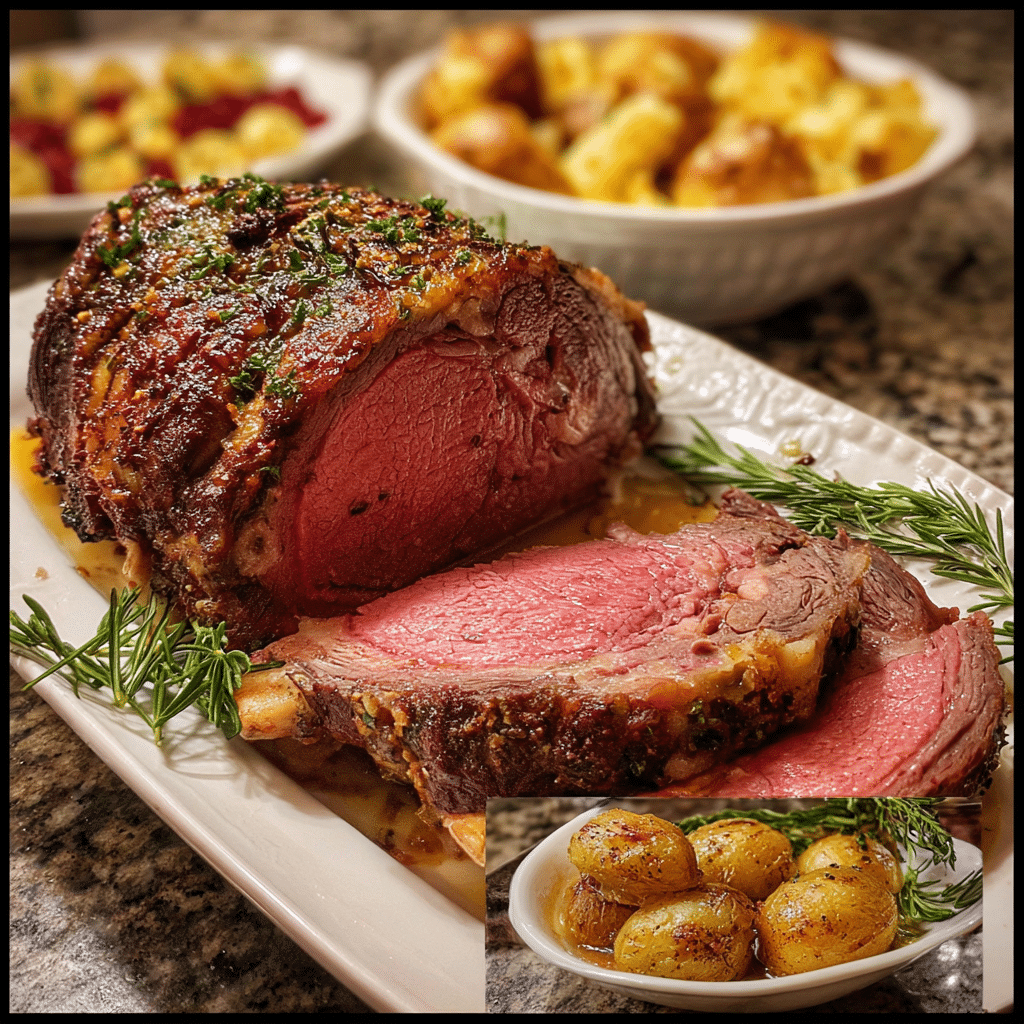
Tired of serving dry, disappointing holiday roasts that leave your guests reaching for extra gravy? There’s nothing more heartbreaking than spending hours preparing what should be the centerpiece of your feast, only to slice into meat that’s tough and flavorless. But what if I told you that achieving a Prime Rib Roast with a perfect medium-rare center, golden herb crust, and juices that pool on the cutting board is entirely within your reach?
Hi there! I’m Lisa, the heart and soul behind Recipesrealm. Years ago, I remember my first attempt at cooking a prime rib for Christmas dinner—it was an overcooked disaster that sent me back to the drawing board. Since then, I’ve perfected this Prime Rib Roast recipe through countless holiday dinners,
family gatherings, and special celebrations. Each attempt taught me something new about temperature control, seasoning timing, and the art of patience. Now, this recipe has become my signature dish, the one everyone requests when they want something truly spectacular.
This comprehensive guide will walk you through everything you need to know: selecting the perfect cut from your butcher, preparing a show-stopping herb crust, mastering temperature control, and serving it with confidence.
Whether you’re hosting your first holiday dinner or you’re a seasoned home cook looking to elevate your technique, I’ll share the tips and tricks that transform a simple roast into an unforgettable centerpiece. At Recipesrealm, we believe that food isn’t just about taste—it’s about creating memories and sharing moments that bring people together around the table.
Why This Prime Rib Roast Recipe Works
This Prime Rib Roast recipe delivers restaurant-quality results at home because it combines time-tested techniques with foolproof methods that guarantee success every single time. Here’s what makes this recipe extraordinary:
- Uses a reverse-sear method that ensures edge-to-edge perfection – By slowly roasting at a low temperature first, then finishing with high heat, you get that coveted pink center with a beautifully caramelized crust
- Simple herb crust with just five ingredients creates maximum flavor – Fresh rosemary, thyme, garlic, kosher salt, and black pepper form a aromatic coating that penetrates deep into the meat
- Foolproof temperature guide eliminates guesswork – With precise internal temperature targets, you’ll never overcook this premium cut again
- Resting period redistributes juices for fork-tender slices – This crucial step ensures every bite is moist and flavorful, not dry and disappointing
- Versatile enough for intimate dinners or large holiday gatherings – Whether feeding six or sixteen, this recipe scales beautifully and always impresses
The beauty of this Prime Rib Roast lies in its elegant simplicity. You don’t need fancy equipment or culinary school training—just quality ingredients, a reliable meat thermometer, and the confidence to let the oven work its magic while you prepare the rest of your feast.
Choosing the Right Prime Rib Roast
Selecting the perfect Prime Rib Roast is the foundation of this recipe’s success. Understanding the different cuts, grades, and what to look for at the butcher counter will ensure you bring home a roast worthy of your special occasion.
Best Cuts for This Prime Rib Roast Recipe
The prime rib comes from the primal rib section of the beef, specifically ribs six through twelve. For this recipe, you want a standing rib roast, which includes the rib bones that act as a natural roasting rack and add incredible flavor. The bone-in version is superior to boneless because the bones insulate the meat during cooking, promoting even heat distribution and preventing overcooking.
Look for a roast with at least three ribs—this size (approximately seven to nine pounds) serves six to eight people generously and provides the ideal thickness for achieving that perfect gradient from crust to center. The end cuts (ribs six through eight) tend to be slightly fattier and more flavorful, while the center cut (ribs nine through eleven) offers the most uniform slices.
Buying Tips for Your Prime Rib Roast
When selecting your roast, aim for USDA Prime or Choice grade—these designations indicate superior marbling, which translates directly to tenderness and flavor. The meat should display bright cherry-red color with generous white fat marbling throughout (this intramuscular fat melts during cooking, basting the meat from within). The fat cap on top should be creamy white, about a quarter-inch thick, providing natural moisture and flavor during roasting.
Build a relationship with your butcher and order your Prime Rib Roast at least three days before your event—this ensures they’ll reserve their best cut for you and can French the bones (scraping them clean) for an elegant presentation. Ask them to leave the roast tied if it’s boneless, or to crack the chine bone if bone-in, making carving significantly easier after cooking.
Substitutions and Alternatives
If Prime Rib Roast is unavailable or exceeds your budget, a well-marbled ribeye roast provides similar rich flavor and tender texture at a lower price point. For a leaner option that still delivers on taste, consider a top sirloin roast, though you’ll need to be more vigilant about not overcooking it since it contains less protective fat. When adjusting
serving sizes, calculate approximately one pound per person for bone-in roasts (accounting for bone weight) or three-quarters of a pound per person for boneless cuts. Remember that a two-rib roast, while more affordable, doesn’t provide the same insulation during cooking and may cook faster than expected—adjust your timing accordingly and rely heavily on your meat thermometer rather than estimated cooking times.
Ingredients & Prep for Prime Rib Roast
Proper preparation transforms a good Prime Rib Roast into an exceptional one. This section covers everything from trimming and seasoning to the essential ingredients that build layers of flavor.
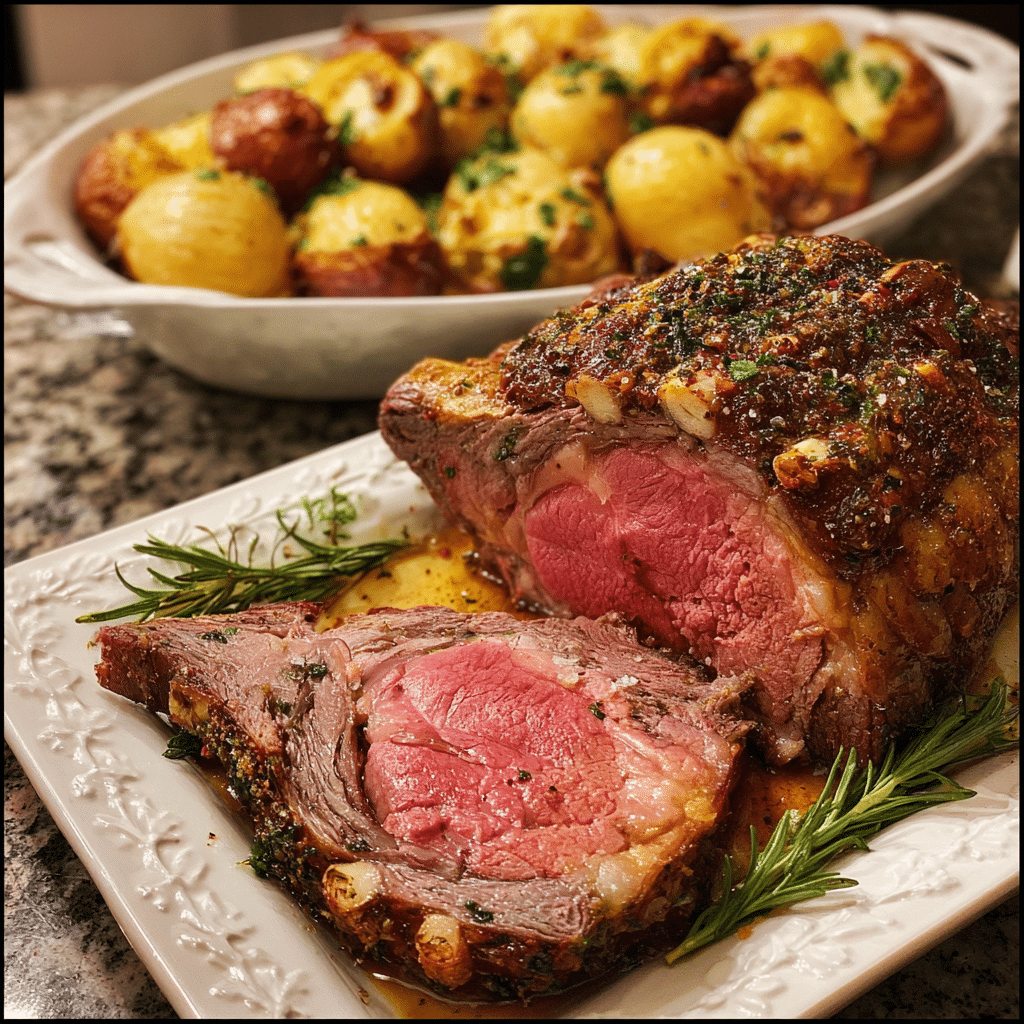
Meat Prep Essentials for Your Prime Rib Roast
Two days before cooking, remove your Prime Rib Roast from its packaging, pat it completely dry with paper towels, and place it uncovered on a wire rack set over a rimmed baking sheet in your refrigerator. This dry-aging process concentrates flavors and dries the surface, which promotes better browning and crust formation. If your butcher hasn’t already done so, trim any loose or excessive fat, but leave the main fat cap intact—aim for about a quarter-inch thickness.
Score the fat cap in a crosshatch pattern with shallow cuts spaced one inch apart; this allows seasonings to penetrate and helps render the fat during cooking. For bone-in roasts, use kitchen twine to tie the meat back onto the bones if your butcher removed them for easier carving—this provides structural support during cooking. One hour before seasoning, remove the roast from the refrigerator and let it sit at room temperature, which promotes more even cooking from edge to center.
Prime Rib Roast Herb Crust and Seasonings
For the Herb Crust:
- 6 large garlic cloves, minced into a paste
- 3 tablespoons fresh rosemary, finely chopped
- 2 tablespoons fresh thyme leaves, stripped from stems
- 2 tablespoons coarse kosher salt
- 1 tablespoon freshly cracked black pepper
- 3 tablespoons olive oil (to create a paste)
For the Roast:
- 1 bone-in Prime Rib Roast (3-4 ribs, approximately 7-9 pounds)
- 2 tablespoons unsalted butter, softened
Create the herb paste by combining all crust ingredients in a small bowl, mashing them together until they form a thick, aromatic mixture. The olive oil acts as a vehicle, helping the herbs and garlic adhere to the meat while promoting browning. Apply this paste generously all over the roast at least four hours before cooking (overnight is even better), allowing the salt to penetrate the meat through osmosis while the herbs infuse their flavors. The salt draws out moisture initially, which then gets reabsorbed along with the seasonings, essentially dry-brining your Prime Rib Roast for maximum tenderness and flavor.
Pantry Staples and Optional Enhancements
Beyond the herb crust, keep these ingredients on hand to elevate your Prime Rib Roast experience. High-quality beef broth (two cups) provides the base for pan sauce or au jus made from the roasting drippings. Worcestershire sauce (two tablespoons) adds umami depth when whisked into the drippings.
Dijon mustard (one tablespoon) can be brushed on the roast before applying the herb crust, acting as an adhesive while adding subtle tang. For those who enjoy horseradish with their beef, prepare a simple sauce by mixing one cup sour cream with three tablespoons prepared horseradish, one tablespoon lemon juice, and a pinch of salt—refrigerate this at least two hours before serving to allow flavors to meld.
Step-by-Step Cooking Instructions for Prime Rib Roast
Mastering the cooking process requires attention to detail and patience, but following these precise steps will deliver perfect results every time.
Pre-Cooking Prep for Your Prime Rib Roast
Remove your seasoned Prime Rib Roast from the refrigerator ninety minutes before you plan to start cooking—this is crucial for even heat penetration. Pat the surface completely dry once more with paper towels, as any moisture will steam rather than brown the meat. Position your oven rack in the lower third of the oven to accommodate the roast’s height and preheat to 250°F for the reverse-sear method.
Place the roast bone-side down (the bones act as a natural roasting rack) in a heavy-duty roasting pan, preferably one with low sides that won’t trap steam. Insert a leave-in meat thermometer into the thickest part of the roast, ensuring the probe doesn’t touch bone, which conducts heat differently than meat. Tuck any thin ends underneath or shield them with aluminum foil to prevent overcooking.
Cooking Method for Prime Rib Roast
Begin by slow-roasting your Prime Rib Roast at 250°F, which allows gentle, even heat penetration throughout the massive cut. This initial phase takes approximately three to four hours, depending on your roast’s size and desired doneness. Monitor the internal temperature closely—you’re aiming to pull the roast when it reaches 10-15°F below your target final temperature (see chart below).
Once you hit this mark, remove the roast from the oven and tent it loosely with foil. Increase your oven temperature to 500°F and allow it to preheat for ten to fifteen minutes. Return the roast to the screaming-hot oven for six to ten minutes, just until the exterior develops a deep mahogany crust and the internal temperature rises to your target. This reverse-sear technique gives you the best of both worlds: a tender, evenly cooked interior with a flavorful, crispy exterior that rivals any steakhouse.
Doneness Check for Your Prime Rib Roast
Temperature accuracy determines success with Prime Rib Roast, making an instant-read meat thermometer non-negotiable. Insert it into the center of the roast, away from bones and fat pockets, and use these targets for your preferred doneness:
- Rare: 120-125°F (cool red center)
- Medium-Rare: 130-135°F (warm red center) – RECOMMENDED
- Medium: 135-145°F (warm pink center)
- Medium-Well: 145-155°F (slightly pink center)
- Well-Done: 155°F+ (no pink) – NOT RECOMMENDED for prime rib
Remember that carryover cooking will increase the temperature by five to ten degrees during resting, so always pull your roast early. For the most accurate reading, check the temperature in multiple spots, as larger roasts may have temperature variations. The ends will typically be more done than the center, which is actually ideal since it gives guests options for their preferred level of doneness.
Resting Your Prime Rib Roast
This step is absolutely critical and non-negotiable—resting allows the juices, which have been driven toward the center by heat, to redistribute throughout the meat. Transfer your Prime Rib Roast to a cutting board (preferably one with a juice groove) and tent it loosely with aluminum foil
. Let it rest for at least twenty to thirty minutes, though larger roasts benefit from up to forty-five minutes of resting time. The internal temperature will continue to rise during this period, and you’ll notice the meat firms up slightly, making carving cleaner and easier. Resist the temptation to cut into it early—I promise the wait is worth it when you see those juices stay in the meat rather than running all over your cutting board.
Use this resting time productively by making pan sauce from the drippings, preparing side dishes, or simply enjoying a moment to breathe before the final presentation.
Pro Tips for Perfect Prime Rib Roast
These expert techniques separate good prime rib from truly exceptional results that earn rave reviews and recipe requests.
Avoiding Tough or Dry Prime Rib Roast
The primary culprit behind disappointing Prime Rib Roast is overcooking, which squeezes out moisture and toughens the proteins. Invest in a quality dual-probe thermometer with both oven and meat probes—this allows you to monitor both temperatures simultaneously without opening the oven door and releasing heat. Never rely solely on per-pound cooking time estimates,
as factors like roast shape, bone content, starting temperature, and oven accuracy create too many variables. When in doubt, pull the roast early—you can always return it to the oven for a few more minutes if needed, but you can’t reverse overcooking. Shield the thin ends of the roast with aluminum foil strips if they’re browning too quickly during the high-heat sear phase. If you do accidentally overcook the outer portions, slice them thinly for those who prefer well-done meat, reserving the perfectly cooked center for guests who appreciate medium-rare.
Essential Tool Recommendations for Prime Rib Roast Success
A reliable instant-read meat thermometer is your most important tool—I recommend digital probe thermometers with remote monitoring capabilities that alert you when your target temperature approaches. Heavy-duty roasting pans with low sides promote air circulation and even browning, while tall sides trap steam and prevent proper crust formation. A sharp carving knife with a long blade (at least ten inches) makes clean, uniform slices possible,
especially important when navigating around bones. Kitchen twine secures loose sections and creates a uniform shape that promotes even cooking. A sturdy carving board with a juice groove catches precious drippings that you can pour over sliced meat or incorporate into pan sauce. Consider purchasing a vertical roasting rack if you plan to make Prime Rib Roast regularly—these racks position the meat upright, allowing heat to circulate completely around the roast for even more consistent results.
Storage and Reheating Your Prime Rib Roast
Leftover Prime Rib Roast (if you’re lucky enough to have any) stores beautifully for three to four days in the refrigerator when wrapped tightly in aluminum foil or plastic wrap. For longer storage, slice the meat thinly, arrange it in a single layer in freezer-safe containers with some of the pan juices or beef broth to prevent freezer burn, and freeze for up to three months.
When reheating, gentle heat preservation is key—place sliced prime rib in a baking dish with a splash of beef broth, cover tightly with foil, and warm in a 250°F oven for about fifteen to twenty minutes until heated through but not overcooked. For quick individual portions, wrap slices in damp paper towels and microwave on fifty percent power in thirty-second intervals.
Transform leftovers into French dip sandwiches by piling warm slices onto toasted baguettes with melted provolone and serving alongside heated au jus for dipping—it’s so delicious that some guests might actually hope for leftovers.
Flavor Variations for Prime Rib Roast
While the classic herb crust is timeless, these variations adapt your Prime Rib Roast to different flavor profiles and dietary preferences.
Spicy-Crusted Prime Rib Roast
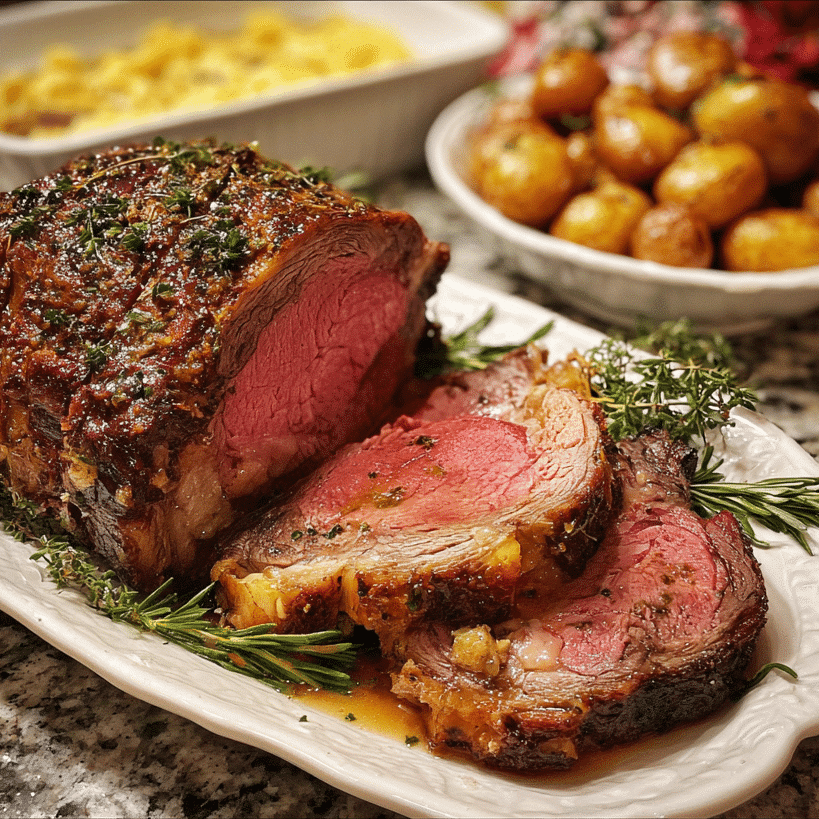
For heat lovers, create a bold crust by adding two tablespoons of cracked black peppercorns, one tablespoon of red pepper flakes, and one teaspoon of cayenne pepper to your herb mixture. The coarse black pepper creates a steak-au-poivre effect, forming a spicy bark that contrasts beautifully with the rich beef. Alternatively, mix two
tablespoons of smoked paprika with one tablespoon of chipotle powder for a smoky-spicy profile that evokes Southwestern flavors. For an Asian-inspired twist, create a paste using two tablespoons of gochugaru (Korean red pepper flakes), three tablespoons of minced ginger, four cloves of garlic, two tablespoons of sesame oil, and one tablespoon of soy sauce—this creates a complex heat with umami depth.
Keto and Paleo-Friendly Prime Rib Roast
This Prime Rib Roast recipe naturally aligns with keto and paleo diets since it contains no added sugars, grains, or processed ingredients. The herb crust’s olive oil provides healthy fats that fit perfectly within keto macros, while the generous marbling in prime rib delivers the high fat content that keto dieters need.
To ensure complete compliance, verify that your beef broth contains no added sugars or questionable additives (or make your own from roasted bones). Skip any glaze variations that include honey or brown sugar. For paleo eaters following stricter protocols, substitute ghee for butter in any finishing touches. The natural richness of the meat means you won’t miss any forbidden ingredients—this is comfort food that happens to be nutritionally aligned with these dietary approaches.
Global-Inspired Prime Rib Roast Flavors
Transform your Prime Rib Roast into an international experience with these creative crusts and preparations:
| Flavor Profile | Key Ingredients | Serving Suggestion | Best Paired With |
|---|---|---|---|
| Italian Tuscan | Rosemary, sage, garlic, lemon zest, anchovy paste | Drizzle with aged balsamic | Roasted vegetables, polenta |
| French Provençal | Herbes de Provence, Dijon mustard, shallots | Serve with red grape reduction | Ratatouille, crusty bread |
| Argentine Chimichurri | Parsley, oregano, garlic, red pepper, olive oil | Top with fresh chimichurri | Grilled vegetables, chimichurri potatoes |
| Mediterranean | Za’atar, sumac, garlic, olive oil | Serve with tahini sauce | Tabbouleh, roasted cauliflower |
| Asian Fusion | Five-spice powder, ginger, garlic, sesame oil | Glaze with hoisin reduction | Stir-fried vegetables, jasmine rice |
Each variation respects the quality of the Prime Rib Roast while introducing distinct cultural flavors that create conversation and culinary adventure. Apply these alternative seasonings using the same timing and technique as the classic herb crust for consistent results.
Serving Suggestions for Prime Rib Roast
The right accompaniments elevate your Prime Rib Roast from impressive to unforgettable, creating a complete dining experience.
Pair your Prime Rib Roast with classic steakhouse sides that complement rather than compete with the rich beef. Creamy horseradish mashed potatoes provide luxurious comfort and a subtle bite that cuts through the meat’s richness—fold prepared horseradish into your favorite mashed potato recipe along with plenty of butter and cream.
Roasted root vegetables like carrots, parsnips, and turnips caramelize beautifully when tossed with olive oil, salt, and fresh thyme, offering earthy sweetness. Yorkshire pudding, a traditional British accompaniment, transforms the flavorful drippings from your roasting pan into crispy, custardy popovers that are essential for soaking up au jus. Green beans almondine add freshness and crunch, while creamed spinach delivers decadent creaminess studded with garlic.
For bread, choose options that showcase the meat rather than filling guests up—individual dinner rolls, crusty artisan baguettes, or flaky buttermilk biscuits all work wonderfully. Create a simple au jus by deglazing your roasting pan with beef broth and reducing it with a splash of Worcestershire sauce—this thin, flavorful sauce allows the beef to shine while adding moisture to each bite.
Beverage pairings deserve careful consideration with such a premium cut. Full-bodied red varieties stand up beautifully to the rich, fatty Prime Rib Roast—look for Cabernet Sauvignon from Napa Valley, Bordeaux from France, or Malbec from Argentina. These robust options have sufficient tannins to cut through the meat’s richness while complementing its savory flavors.
For those who prefer lighter options, Pinot Noir offers elegance without overwhelming the beef. Beer enthusiasts should reach for malty, full-bodied options like imperial stouts, brown ales, or Belgian dubbels that echo the roast’s richness. Non-drinkers will appreciate sparkling water with lemon or a robust iced tea that cleanses the palate between bites.
FAQs About Prime Rib Roast
These commonly asked questions address the concerns and curiosities of home cooks preparing this impressive centerpiece.
Can I cook a frozen Prime Rib Roast? While technically possible, cooking a frozen Prime Rib Roast significantly increases cooking time and makes achieving even doneness extremely difficult. The exterior will overcook long before the frozen center reaches safe temperatures. Instead, plan ahead and thaw your roast properly in the refrigerator, allowing approximately twenty-four hours for every five pounds of meat. Place it on a rimmed baking sheet to catch any drips, and never thaw at room temperature, which creates food safety risks.
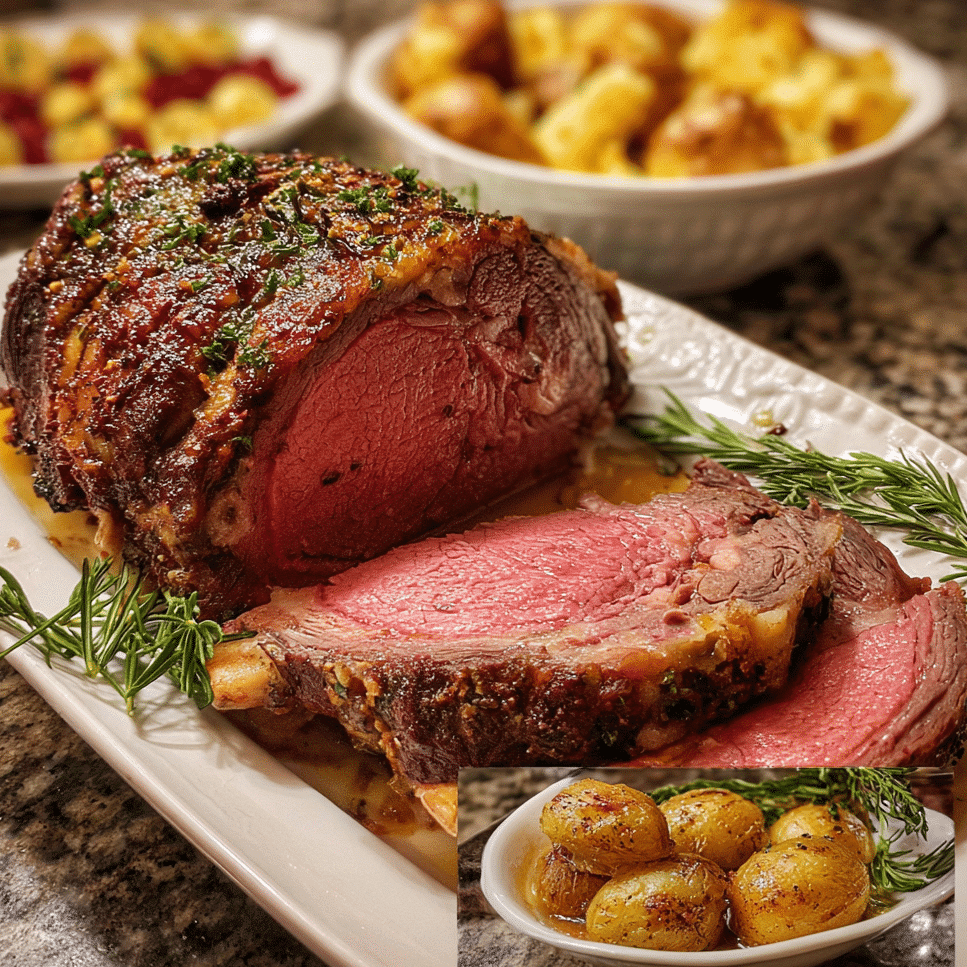
How do I fix overcooked Prime Rib Roast? Unfortunately, you cannot reverse overcooking, but you can minimize the damage and salvage your meal. Slice the meat as thinly as possible—thinner slices seem more tender even when overcooked. Serve generous amounts of au jus, pan sauce, or horseradish cream for moisture and flavor.
The ends of a Prime Rib Roast typically overcook first, so the center portions may still be acceptably cooked. Transform truly overcooked meat into other dishes like prime rib hash, beef stroganoff, or French dip sandwiches where added moisture and sauces mask the dryness.
What’s the difference between prime rib and ribeye roast? Prime rib and ribeye roast come from the same primal cut of beef (the rib section), but “prime rib” traditionally refers to bone-in standing rib roasts, while “ribeye roast” can be boneless or bone-in. The term “prime” in prime rib originally referred to the cut being “primal” (a primary cut), not the USDA grade, though many people now associate it with USDA Prime grade beef. When shopping, specify whether you want bone-in or boneless to avoid confusion.
How much Prime Rib Roast per person should I buy? Calculate approximately one pound per person for bone-in Prime Rib Roast, which accounts for bone weight and provides generous portions with some leftovers. For boneless roasts, plan for three-quarters of a pound per person.
If you’re serving multiple courses or abundant side dishes, you can reduce these amounts slightly. Remember that larger roasts (four ribs or more) actually cook more evenly than smaller two-rib roasts, so don’t be afraid to buy more than you think you need—leftover prime rib is never a problem.
Is Prime Rib Roast safe during pregnancy? Pregnant women should avoid rare and medium-rare beef due to potential bacteria concerns, so if preparing Prime Rib Roast for someone who is pregnant, ensure their portion reaches an internal temperature of at least 145°F (medium) or higher. The outer, more well-done slices from the ends of the roast work perfectly for guests with these dietary restrictions. Always use a meat thermometer to verify temperatures rather than relying on visual cues.
Should I use a roasting rack? For bone-in Prime Rib Roast, the bones themselves act as a natural roasting rack, elevating the meat and promoting air circulation, so an additional rack isn’t necessary. Simply place the roast bone-side down in your pan. For boneless roasts, a V-shaped rack or flat roasting rack elevates the meat, allowing heat
to circulate underneath and preventing the bottom from steaming in its own juices. If you don’t have a rack, create a makeshift one by arranging thick-cut vegetables (onions, carrots, celery) in the bottom of your roasting pan—they’ll flavor your drippings while keeping the meat elevated.
Can I prepare Prime Rib Roast ahead of time? You can apply the herb crust up to twenty-four hours before cooking, which actually improves flavor penetration. However, I don’t recommend cooking it completely in advance, as reheated prime rib never matches the quality of freshly roasted. If you must prepare ahead for scheduling reasons, cook the roast to rare (120°F), let it cool completely, refrigerate it, and then finish it with the high-heat sear just before serving—this method maintains better quality than fully cooking and reheating.
Conclusion
Your journey to Prime Rib Roast mastery begins right now, in your own kitchen, with this foolproof recipe that has transformed nervous home cooks into confident hosts. You’ve learned how to select the perfect cut, create an aromatic herb crust that rivals any steakhouse, master the reverse-sear technique for edge-to-edge perfection, and
present a centerpiece that will have your guests asking for seconds and thirds. The standing ovation you’ll receive when you carry that magnificent roast to the table, with its mahogany crust and perfectly pink center, makes every minute of preparation worthwhile.
At Recipesrealm, we believe that food isn’t just about taste—it’s about creating memories and sharing moments with the people who matter most. This Prime Rib Roas
t represents more than dinner; it’s a celebration, a tradition, and a testament to the care you put into nourishing those you love. Whether you’re hosting your first holiday feast or adding to decades of culinary traditions, this recipe will become your go-to for special occasions that deserve something extraordinary.
Fire up your oven, call your butcher, and commit to trying this recipe for your next gathering. Join the thousands of home cooks who’ve discovered that restaurant-quality Prime Rib Roast isn’t reserved for professional chefs—it’s entirely achievable in your own kitchen with the right guidance and confidence. I cannot wait to hear about your success and see the joy on your family’s faces when you serve them this magnificent roast.
If you loved this recipe, don’t forget to share it with your friends or save it to try later! I’d be thrilled to see your personal touch—share your photos on Pinterest.
Looking for more show-stopping recipes? Try our Creamy Fall Dessert Favorite – Pumpkin Cheesecake Bars perfect for special occasions that demand something spectacular!
Print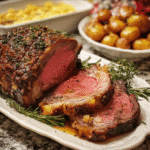
Juicy Holiday Prime Rib Roast Recipe
- Total Time: 4 hours 30 minutes (plus seasoning time)
- Yield: 8–10 servings 1x
Description
This show-stopping Prime Rib Roast features a herb-crusted exterior and perfectly pink medium-rare center. Using the reverse-sear method, you’ll achieve restaurant-quality results with a mahogany crust and fork-tender slices that melt in your mouth. Perfect for holiday dinners and special celebrations!
Ingredients
1 bone-in Prime Rib Roast (3–4 ribs, 7–9 pounds)
6 large garlic cloves, minced into paste
3 tablespoons fresh rosemary, finely chopped
2 tablespoons fresh thyme leaves
2 tablespoons coarse kosher salt
1 tablespoon freshly cracked black pepper
3 tablespoons olive oil
2 tablespoons unsalted butter, softened
2 cups beef broth (for au jus)
2 tablespoons Worcestershire sauce (optional)
Instructions
1. Remove Prime Rib Roast from refrigerator 90 minutes before cooking and pat completely dry with paper towels.
2. Combine minced garlic, rosemary, thyme, kosher salt, black pepper, and olive oil in a small bowl to create herb paste.
3. Rub the herb paste generously all over the roast, covering all surfaces including the fat cap.
4. Position oven rack in lower third and preheat to 250°F. Insert leave-in meat thermometer into thickest part of roast, avoiding bone.
5. Place roast bone-side down in roasting pan and slow-roast at 250°F for 3-4 hours until internal temperature reaches 120°F (for medium-rare).
6. Remove roast from oven and tent loosely with foil. Increase oven temperature to 500°F and let preheat for 10-15 minutes.
7. Return roast to 500°F oven for 6-10 minutes until exterior develops deep brown crust and internal temperature reaches 130°F.
8. Transfer roast to cutting board, tent with foil, and rest for 25-30 minutes before carving.
9. While resting, make au jus by deglazing roasting pan with beef broth and Worcestershire sauce, scraping up browned bits.
10. Carve roast into thick slices, removing bones if desired, and serve immediately with au jus.
Notes
Always use a meat thermometer for accuracy—don’t rely on cooking times alone.
The roast temperature will rise 5-10°F during resting, so pull it early to avoid overcooking.
For best results, apply herb crust 4-24 hours before cooking to allow flavors to penetrate.
Shield thin ends with foil during high-heat sear if they brown too quickly.
Leftover prime rib stores for 3-4 days refrigerated or up to 3 months frozen in broth.
- Prep Time: 30 minutes (plus 4-24 hours seasoning time)
- Cook Time: 4 hours
- Category: Main Course, Holiday
- Method: Roasting, Reverse-Sear
- Cuisine: American, Steakhouse
Nutrition
- Serving Size: 8 ounces cooked meat
- Calories: 520
- Sugar: 0g
- Sodium: 890mg
- Fat: 38g
- Saturated Fat: 16g
- Unsaturated Fat: 20g
- Trans Fat: 0g
- Carbohydrates: 1g
- Fiber: 0g
- Protein: 48g
- Cholesterol: 165mg
Keywords: prime rib roast, standing rib roast, holiday roast, Christmas dinner, beef roast, reverse sear prime rib